Hemifacial Spasm
Hemifacial spasm is an involuntary twitching or contraction of the muscles on one side of the face. It is usually caused by a blood vessel pressing against the facial nerve at its exit point from the brainstem. While not dangerous, it can be socially distressing and progressive.
Symptoms
- Involuntary twitching that usually begins around one eye (eyelid flickering).
- Progressive spread of spasms to the cheek, mouth, and jaw on the same side.
- Spasms may become continuous and persist during sleep.
- Intermittent forced closure of the eye on the affected side.
- Difficulty with reading, driving, or social interactions due to persistent facial movement.
- Symptoms are typically unilateral (one side of the face only).
 Clinical anatomical model showing affected spinal structures (no text).
 Causes and risk factors
- Compression of the facial nerve (cranial nerve VII) by a blood vessel, most commonly the posterior inferior cerebellar artery (PICA) or anterior inferior cerebellar artery (AICA).
- Less commonly, a tumour or vascular malformation compressing the facial nerve.
- Rarely, demyelinating disease such as multiple sclerosis.
- No identified cause in a small percentage of cases (idiopathic).
How diagnosis is made
- Clinical examination by a neurologist or neurosurgeon is usually sufficient for diagnosis.
- MRI of the brain and posterior fossa with thin-cut sequences to identify the offending blood vessel compressing the facial nerve.
- MR angiography (MRA) to visualise the vascular anatomy around the brainstem.
- Electromyography (EMG) may be used to confirm the diagnosis and assess severity.
 Typical diagnostic grey-scale imaging scan (MRI/CT).
 Non-surgical treatment options
- Botulinum toxin (Botox) injections into the affected facial muscles to reduce spasm intensity. Requires repeat injections every 3 to 6 months.
- Anticonvulsant medications such as carbamazepine or gabapentin may provide partial relief.
- Observation if symptoms are mild and tolerable.
When surgery may be considered
Microvascular decompression (MVD) surgery is the only treatment that addresses the root cause. It is recommended for patients with disabling hemifacial spasm who do not respond adequately to Botox or who prefer a definitive, long-term solution.
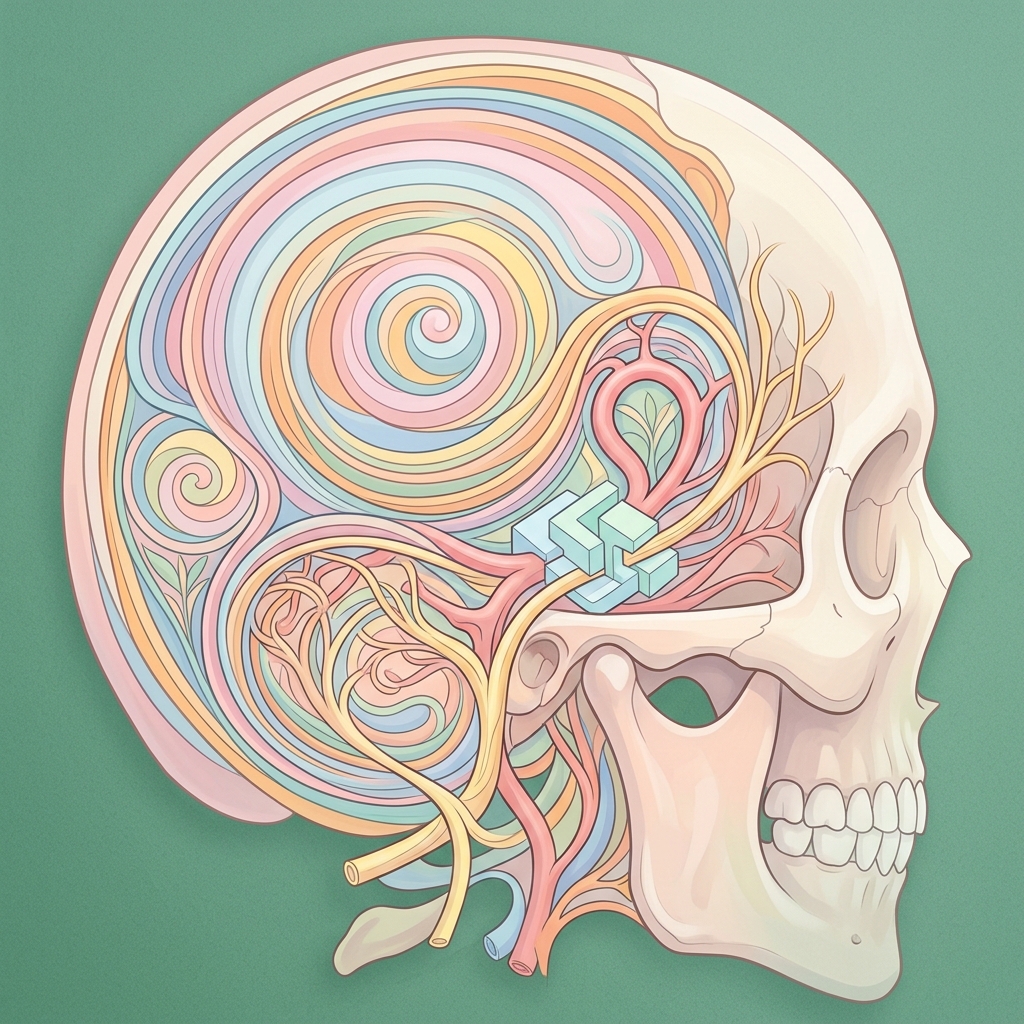 Advanced surgical technology and precision instrumentation.
 Expected outcomes
Microvascular decompression surgery provides complete resolution of hemifacial spasm in approximately 85% to 95% of patients. Symptoms may take several weeks to fully resolve after surgery. Botox provides effective temporary control in most patients.
 Rehabilitation pathways and safe movement restoration.
 Frequently asked questions
Is hemifacial spasm the same as a facial tic?
No. Hemifacial spasm is caused by nerve compression and produces rhythmic, involuntary contractions of facial muscles. Tics are typically brief, suppressible movements and have a different underlying mechanism. The distinction is important because treatment differs significantly.
Does hemifacial spasm get worse over time?
In most patients, hemifacial spasm gradually progresses from mild eyelid twitching to involve the entire side of the face. Without treatment, it rarely resolves spontaneously. Fortunately, both Botox and surgery offer highly effective management.