Clinical expertise
A decision-making approach built on evidence, precision, and conservative-first principles across brain, spine, and peripheral nerve surgery.
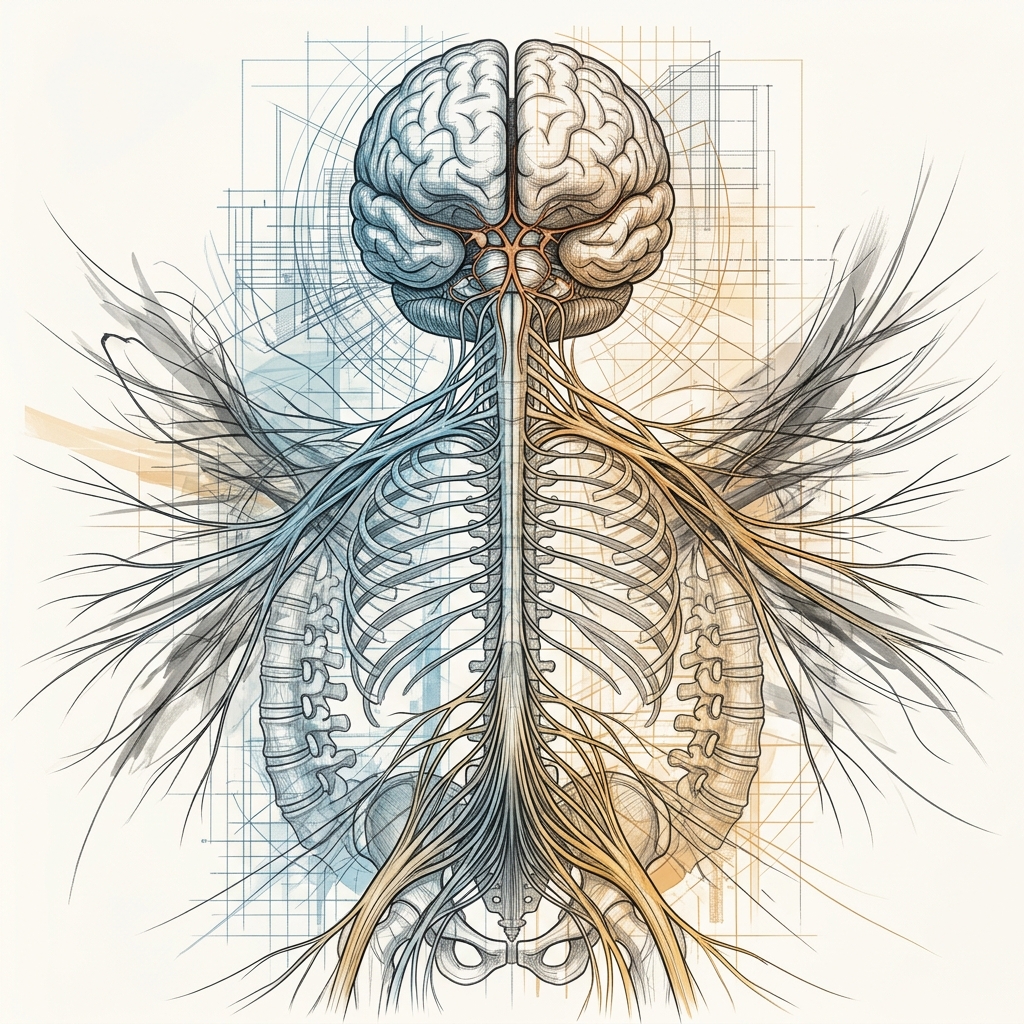
Minimally Invasive Surgery
Through smaller incisions and specialised instruments, minimally invasive techniques reduce tissue disruption, blood loss, and recovery time. Applicable across spine decompression, disc replacement, and tumour procedures.
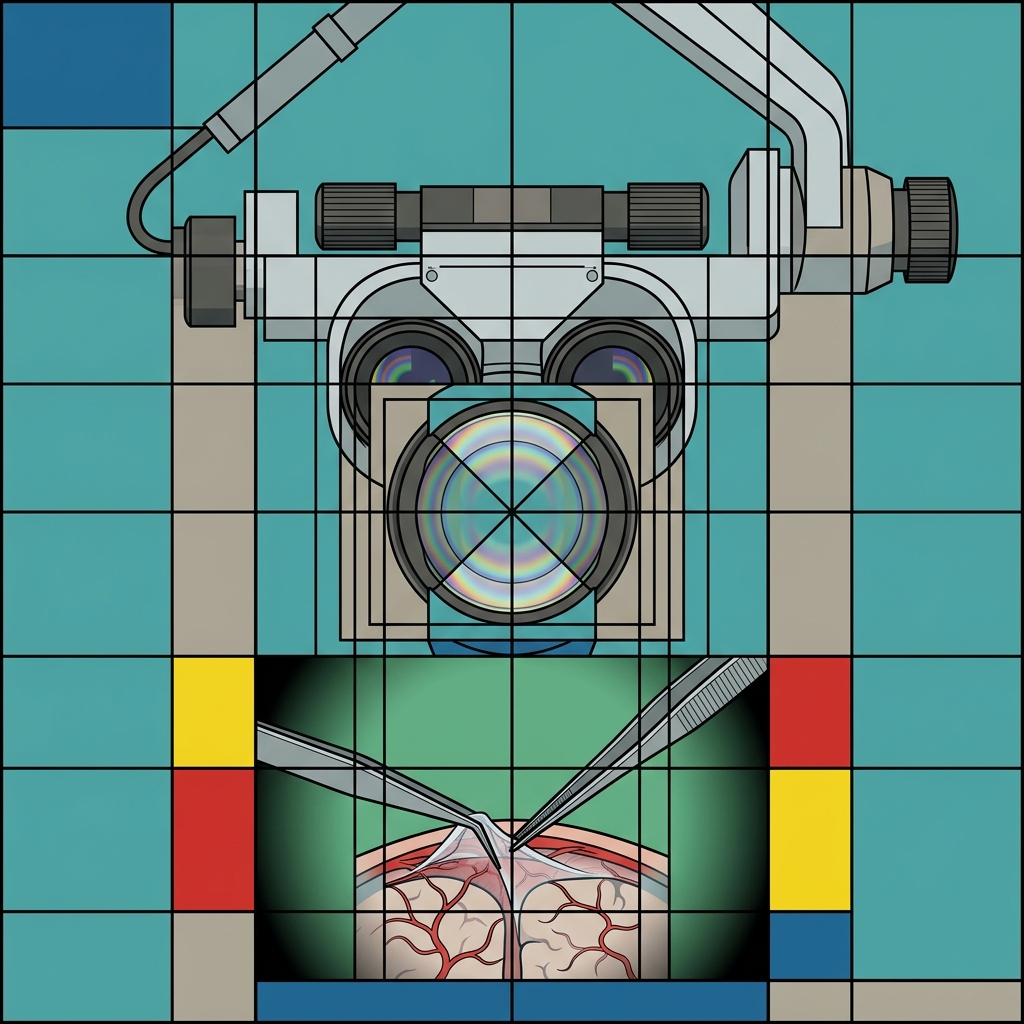 Minimally Invasive Surgery clinical illustration (no text).
 Motion Preservation
Where traditional fusion permanently joins vertebrae, motion-preserving alternatives such as cervical and lumbar disc replacement maintain the natural movement of the spine. This reduces stress on adjacent segments and may lower the risk of future surgery.
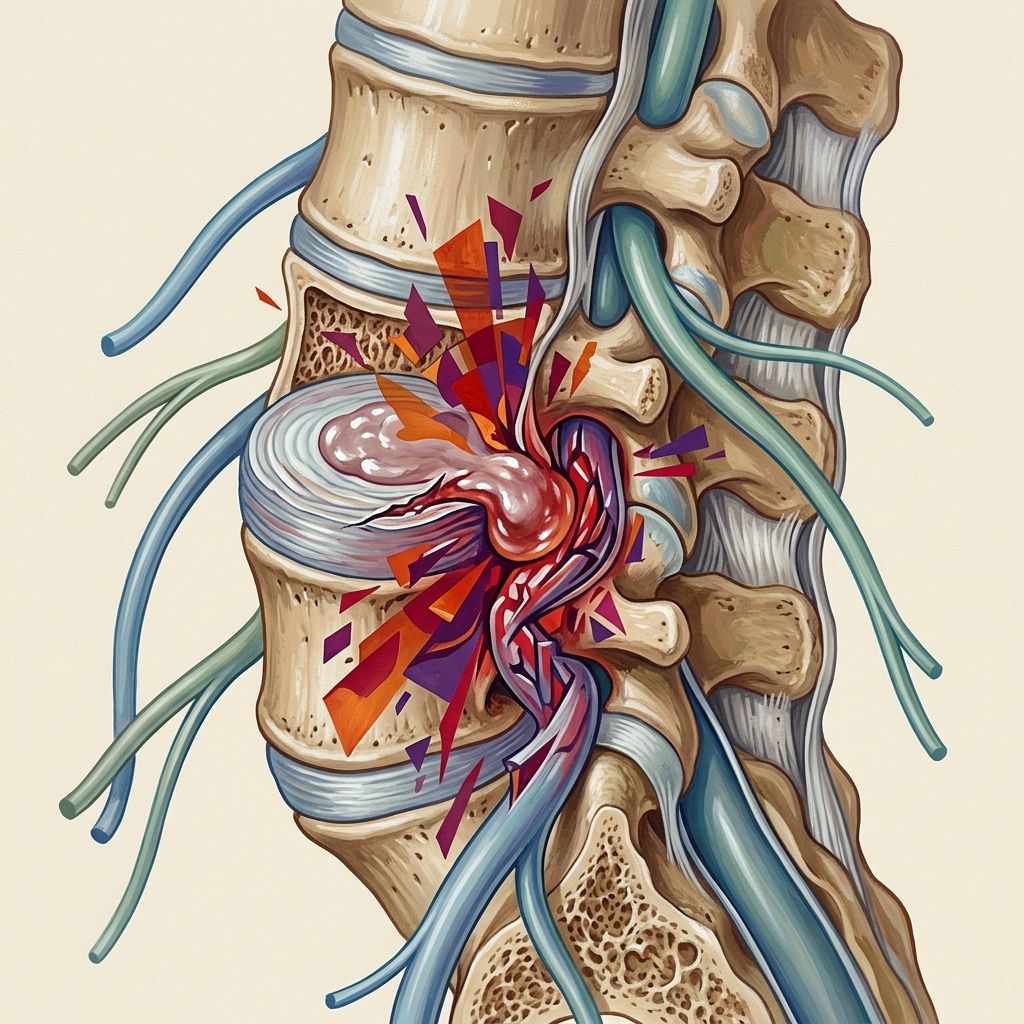 Motion Preservation clinical illustration (no text).
 Advanced Imaging and Robotics
Intraoperative navigation, robotic guidance, and real-time imaging enable sub-millimetre accuracy during complex spinal and cranial procedures. This technology supports safer implant placement and more precise tumour removal.
 Advanced Imaging and Robotics clinical illustration (no text).
 Areas of practice
Our practice is structured around four clinical subspecialty areas. Each is supported by dedicated diagnostic protocols, surgical suites, and rehabilitation partnerships to provide comprehensive, patient-centred care.
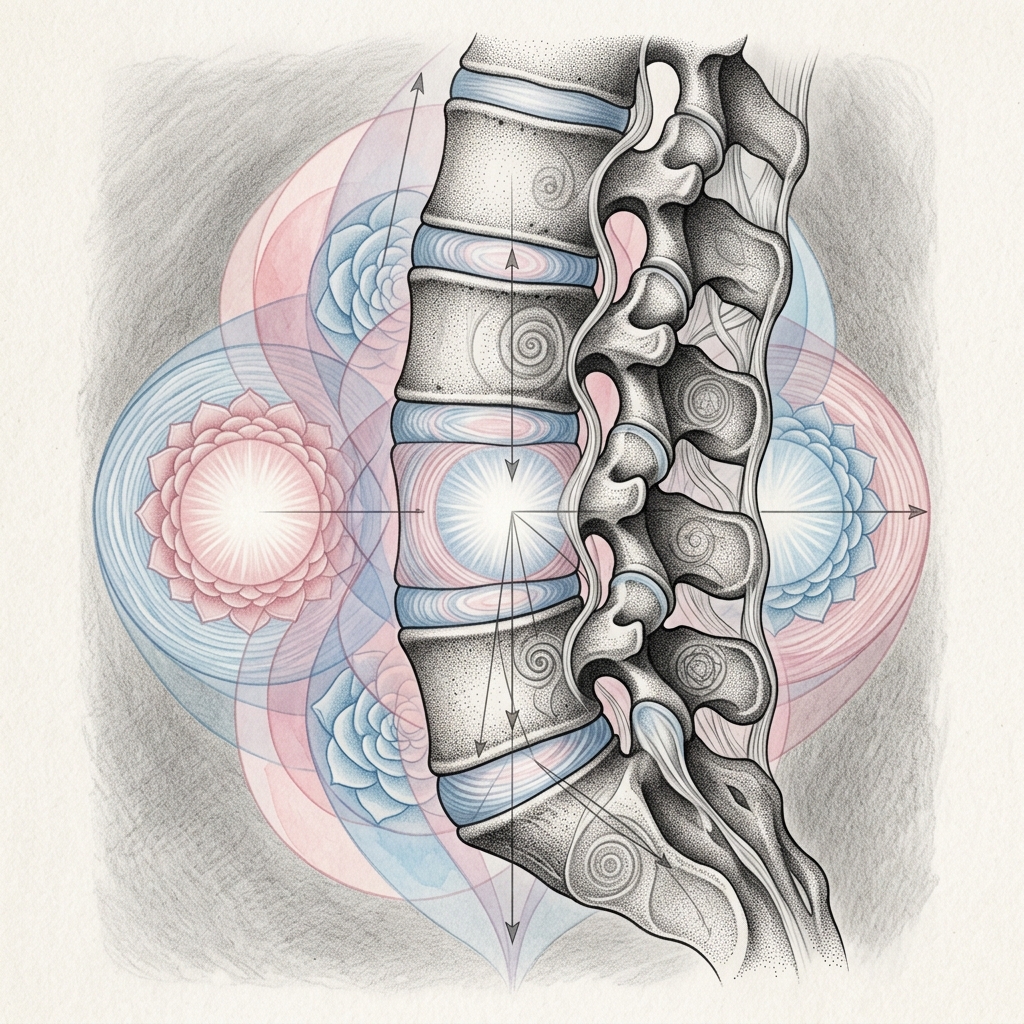 Lumbosacral alignment and healthy walking biomechanics (no text).
 Brain Surgery
- Tumour resection
- Aneurysm repair
- Hydrocephalus management
- Skull base surgery
- Epilepsy surgery
Spine Surgery
- Disc replacement
- Robotic-assisted fusion
- Decompression
- Revision surgery
- Tumour resection
Peripheral Nerve Surgery
- Carpal tunnel release
- Ulnar nerve decompression
- Nerve tumour excision
- Entrapment syndromes
Medicolegal Services
- Independent medical examinations
- Expert witness reports
- WorkCover assessments
- AMA impairment ratings
Discuss your treatment options
Book a consultation to receive a thorough assessment and personalised treatment plan.
Book Consultation