Carpal Tunnel Syndrome
Carpal tunnel syndrome is the most common peripheral nerve compression condition. It occurs when the median nerve is compressed as it passes through the carpal tunnel in the wrist, causing numbness, tingling, and weakness in the hand.

Symptoms
- Numbness and tingling in the thumb, index, middle, and ring fingers.
- Symptoms often worse at night, waking you from sleep.
- Pain or burning sensation in the hand and wrist that may radiate up the forearm.
- Weakness in grip strength and difficulty with fine motor tasks.
- Dropping objects due to thumb weakness.
- Symptoms typically develop gradually and worsen over time.
 Clinical anatomical model showing affected spinal structures (no text).
 Causes and risk factors
- Repetitive hand and wrist movements (typing, assembly work, vibrating tool use).
- Pregnancy-related fluid retention.
- Diabetes mellitus.
- Thyroid disorders (hypothyroidism).
- Rheumatoid arthritis and other inflammatory conditions.
- Wrist fracture or dislocation altering the carpal tunnel anatomy.
- Genetic factors: some people have a naturally smaller carpal tunnel.
How diagnosis is made
- Clinical examination including Tinel sign and Phalen test.
- Nerve conduction studies and electromyography to confirm and grade the severity of nerve compression.
- Ultrasound to visualise the median nerve and carpal tunnel.
- MRI in atypical cases or when an underlying mass is suspected.
 Typical diagnostic grey-scale imaging scan (MRI/CT).
 Non-surgical treatment options
- Night-time wrist splinting to keep the wrist in a neutral position.
- Activity modification to reduce aggravating movements.
- Anti-inflammatory medications.
- Corticosteroid injection into the carpal tunnel for temporary symptom relief.
- Workplace ergonomic adjustments.
When surgery may be considered
Carpal tunnel release surgery is recommended when conservative measures fail to provide adequate relief, when nerve conduction studies show moderate to severe compression, or when there is evidence of muscle wasting or persistent numbness. The procedure is straightforward and highly effective.
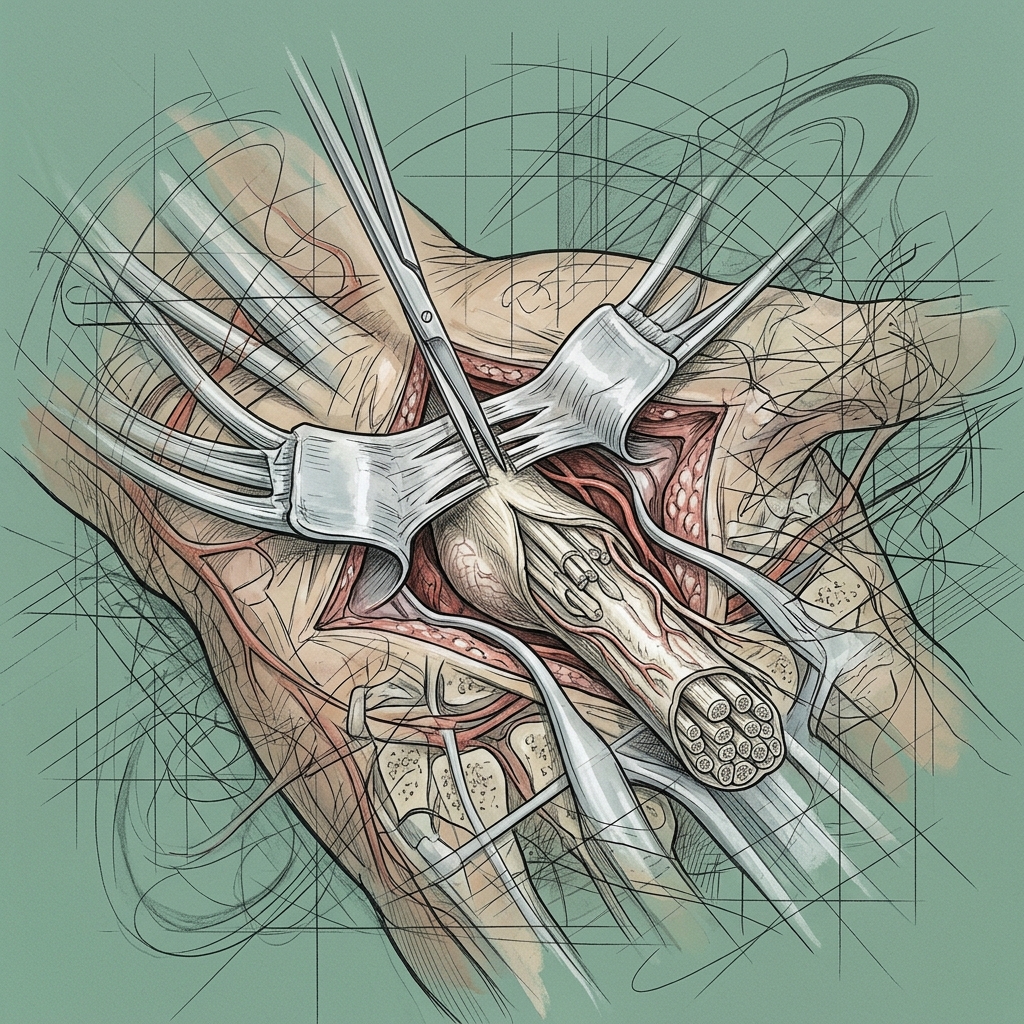 Advanced surgical technology and precision instrumentation.
 Expected outcomes
Carpal tunnel release surgery has a success rate exceeding 95% for symptom relief. Numbness and tingling typically improve rapidly. Grip strength recovery may take several weeks. The procedure is usually performed as day surgery under local anaesthesia.
 Rehabilitation pathways and safe movement restoration.
 Frequently asked questions
How long is recovery after carpal tunnel surgery?
Most patients can use their hand for light activities within a few days. Grip strength returns over 4 to 6 weeks. Return to heavy manual work typically takes 4 to 8 weeks. Night-time symptoms usually resolve immediately.
Can carpal tunnel come back after surgery?
Recurrence after properly performed carpal tunnel release is uncommon, occurring in fewer than 5% of cases. If symptoms recur, further investigation may be needed to assess other potential causes.