Peroneal Nerve Palsy
Peroneal Nerve Palsy, also known as foot drop, is a neurological condition caused by compression of the common peroneal nerve as it wraps around the neck of the fibula just below the outer knee. This nerve controls the muscles that lift the foot, and its compression leads to difficulty walking and foot drop.

Symptoms
- Foot drop: inability or difficulty lifting the front part of the foot (dorsiflexion).
- High-steppage gait: lifting the knee higher than normal while walking to prevent the foot from dragging.
- Numbness, tingling, or loss of sensation on the top of the foot or outer calf.
- Weakness in extending the toes upward.
- Loss of balance or frequent tripping over the toes.
 Clinical anatomical model showing affected spinal structures (no text).
 Causes and risk factors
- External compression at the outer knee from habitual leg crossing, prolonged kneeling, or tight leg casts.
- Trauma or fractures affecting the knee joint or fibular head.
- Compressed by space-occupying lesions such as ganglion cysts at the proximal tibiofibular joint.
- Rapid, extreme weight loss or prolonged bed rest leading to nerve pressure.
How diagnosis is made
- Clinical examination demonstrating weakness in foot dorsiflexion and eversion with normal ankle reflexes.
- Nerve conduction studies and electromyography (EMG) to localise the site of peroneal nerve compression.
- MRI or ultrasound of the outer knee to evaluate for cysts or structural compression.
 Typical diagnostic grey-scale imaging scan (MRI/CT).
 Non-surgical treatment options
- Ankle-Foot Orthosis (AFO) or splint to hold the foot in a neutral position, preventing falls and normalising gait.
- Physiotherapy focusing on foot strengthening, gait retraining, and range of motion.
- Avoiding leg crossing or direct pressure on the outer knee.
- Observation, as many compression palsies recover spontaneously.
When surgery may be considered
Surgical decompression of the peroneal nerve at the fibular head is recommended when there is persistent, significant foot drop without improvement over 3 to 6 months, when nerve studies show severe block, or when a structural lesion (such as a ganglion cyst) is compressing the nerve.
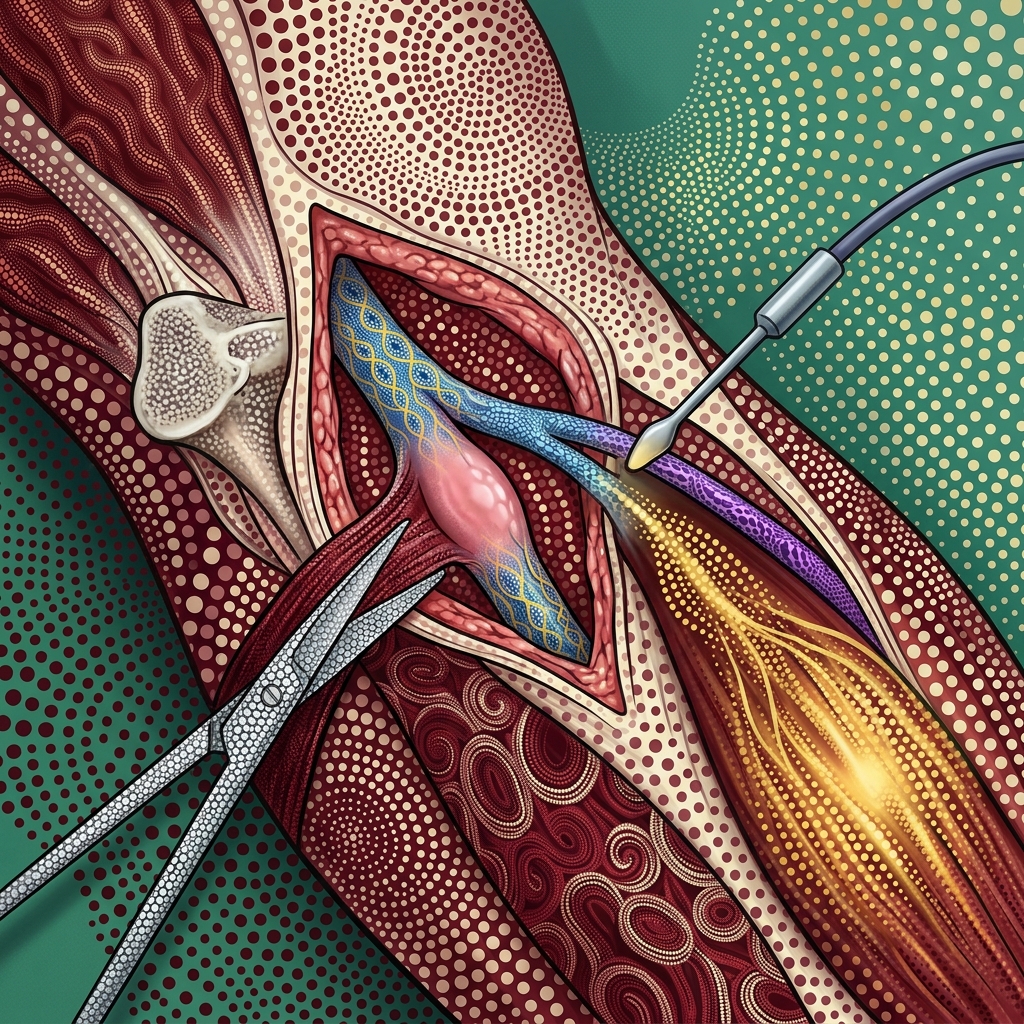 Advanced surgical technology and precision instrumentation.
 Expected outcomes
Neurosurgical peroneal nerve decompression is a highly successful and reliable procedure, with over 85% of patients achieving complete or major recovery of foot movement, provided surgery is performed before chronic nerve damage occurs.
 Rehabilitation pathways and safe movement restoration.
 Frequently asked questions
How long does it take for a peroneal nerve palsy to recover?
Mild compression palsies from leg crossing often recover spontaneously within weeks. Severe cases or those requiring surgical decompression recover gradually as the nerve regrows, which can take 3 to 12 months. An AFO splint is vital during this period.