Pars Defect
A pars defect, or spondylolysis, is a structural stress fracture or defect in the pars interarticularis—a small bony arch connecting the facet joints in the back of the vertebra. It most commonly occurs in the lower lumbar spine (L5) and is a frequent cause of lower back pain in young athletes.
Symptoms
- Gradual onset of aching lower back pain, often centred in the lumbar region.
- Pain that worsens with spinal extension (bending backward) or twisting.
- Tightness in the hamstring muscles.
- Pain that improves with rest and avoiding athletic activity.
- In some cases, the condition is asymptomatic and discovered incidentally.
 Clinical anatomical model showing affected spinal structures (no text).
 Causes and risk factors
- Repetitive hyperextension stress on the lumbar spine (common in gymnastics, rowing, cricket bowling, and football).
- Genetic predisposition with inherently thinner pars bone structures.
- Micro-instability or stress fractures that fail to heal fully.
- Growth spurts during adolescence when bones are maturing.
How diagnosis is made
- Clinical examination assessing lower back extension pain and hamstring tightness.
- Lumbar spine X-rays including oblique views to detect the defect (often referred to as a "collar" on the "Scotty dog" outline).
- CT scan for the gold-standard bony detail of the stress fracture.
- MRI to detect active bone stress (oedema) or associated nerve compression.
 Typical diagnostic grey-scale imaging scan (MRI/CT).
 Non-surgical treatment options
- Temporary rest from sports and activities requiring extension.
- Physiotherapy focusing on core stability, hamstring stretching, and pelvic positioning.
- Bracing to immobilise the spine and facilitate bony healing in acute cases.
- Analgesic and anti-inflammatory medications for pain management.
- Gradual, guided return-to-play protocol.
When surgery may be considered
Surgery is rarely required for a pars defect and is only considered when severe, persistent back pain fails to improve after at least six months of structured conservative therapy, or if the defect leads to progressive spinal instability (spondylolisthesis).
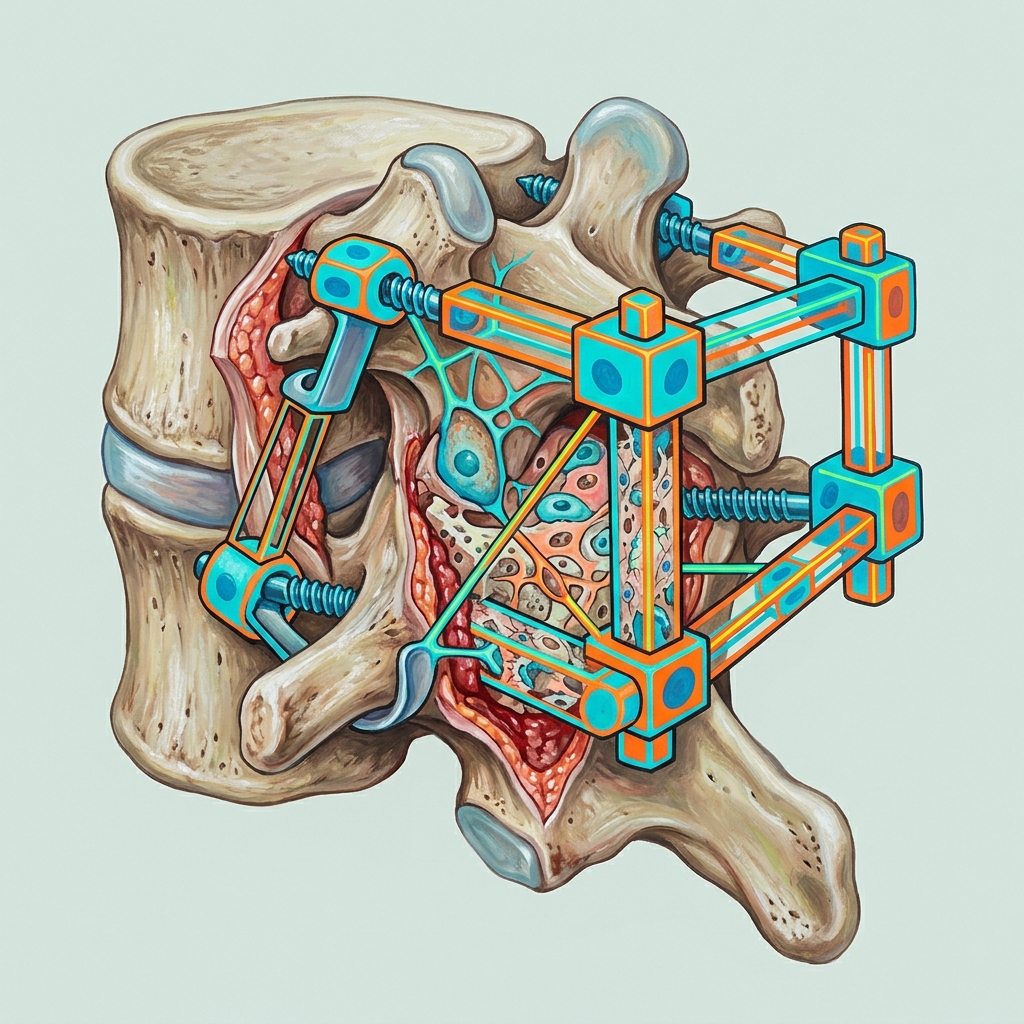 Advanced surgical technology and precision instrumentation.
 Expected outcomes
The vast majority of adolescents and young adults recover fully and return to full athletic activities using conservative management. When surgical repair or fusion is indicated, high rates of pain relief and return to function are achieved.
 Rehabilitation pathways and safe movement restoration.
 Frequently asked questions
Can a pars defect heal on its own?
Yes, particularly in young patients when caught early as an acute stress fracture. Treatment with temporary rest and bracing can lead to complete bony healing.