Spondylosis
Spondylosis is a general term for age-related degenerative changes in the spine, including disc dehydration, bone spur formation, and facet joint wear. It is extremely common and often found incidentally on imaging in people without symptoms.
Symptoms
- Neck or back stiffness, particularly in the morning.
- Intermittent aching pain in the neck or lower back.
- Reduced range of motion in the spine.
- Occasional headaches (cervical spondylosis).
- Radiating arm or leg symptoms if associated nerve compression develops.
- Many people with spondylosis have no symptoms at all.
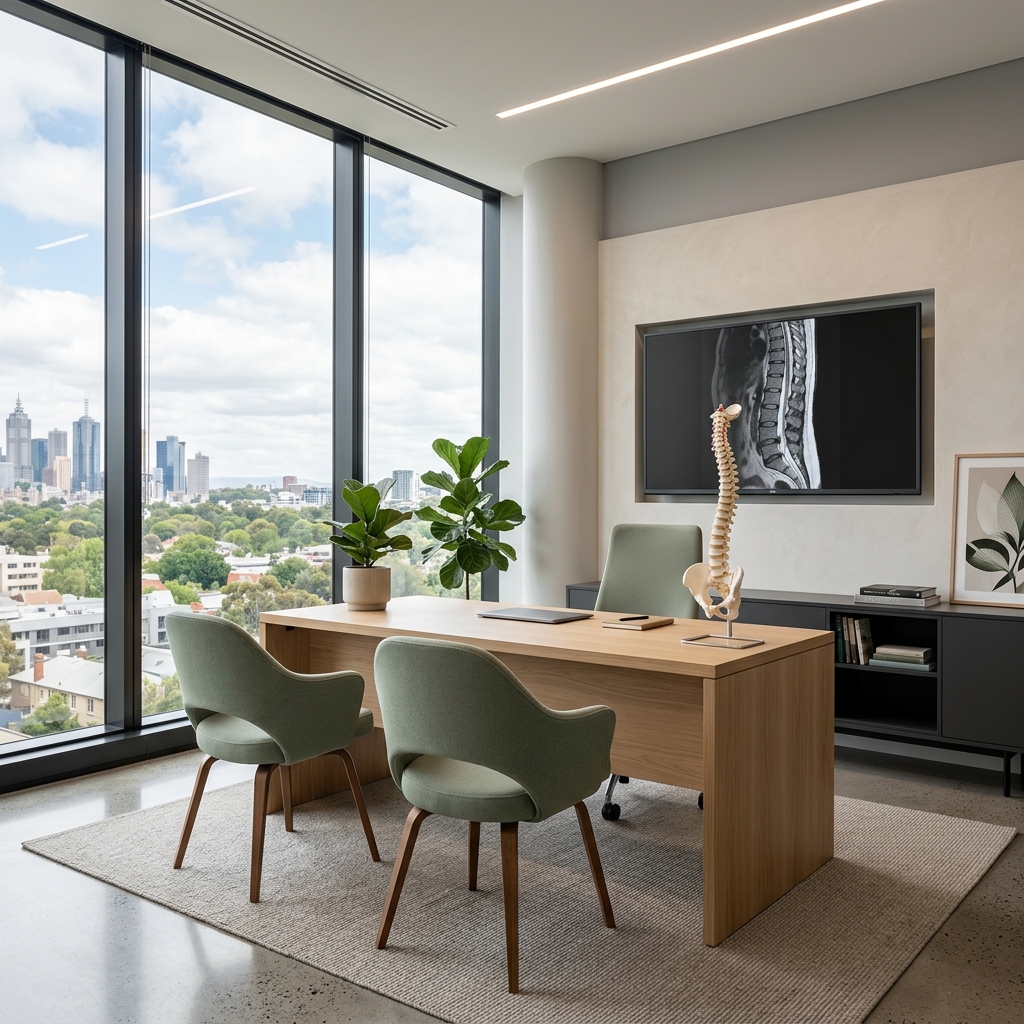 Clinical anatomical model showing affected spinal structures (no text).
 Causes and risk factors
- Normal ageing process affecting all spinal structures.
- Disc dehydration and height loss.
- Bone spur formation as the body attempts to stabilise the spine.
- Facet joint cartilage wear.
- Ligament thickening.
- Genetic, occupational, and lifestyle factors influencing the rate of change.
How diagnosis is made
- Clinical examination of spinal mobility and neurological function.
- X-rays showing disc space narrowing, osteophytes, and facet joint changes.
- MRI if neurological symptoms develop, to assess for nerve or spinal cord compression.
 Typical diagnostic grey-scale imaging scan (MRI/CT).
 Non-surgical treatment options
- Regular exercise and staying active.
- Physiotherapy for flexibility, strength, and postural awareness.
- Pain relief with anti-inflammatory medications when needed.
- Ergonomic adjustments for work and daily activities.
- Weight management and smoking cessation.
When surgery may be considered
Surgery is not needed for spondylosis itself but may be required if degenerative changes cause significant spinal stenosis, nerve compression, or cervical myelopathy that does not respond to conservative treatment.
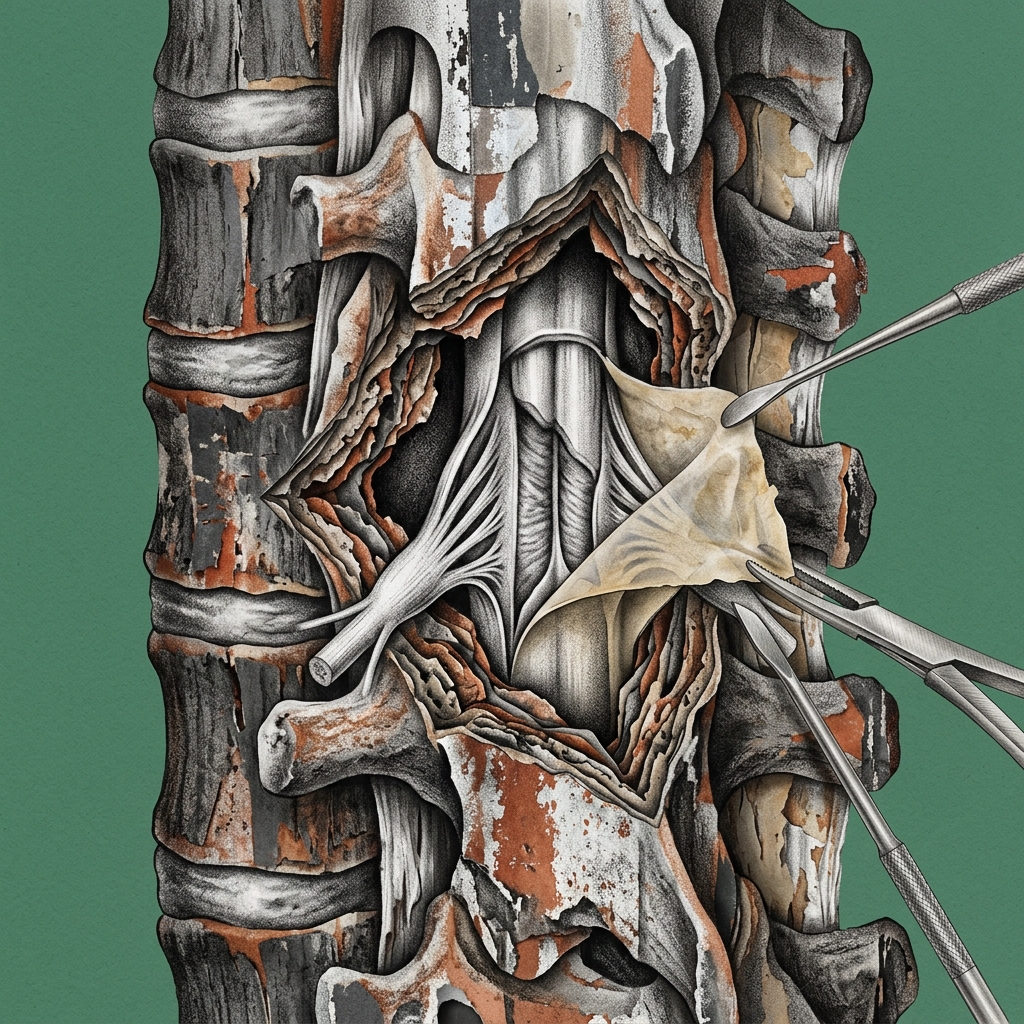 Advanced surgical technology and precision instrumentation.
 Expected outcomes
Spondylosis is a normal part of ageing and most people manage well with conservative measures. Symptoms can be effectively controlled in the vast majority of cases without surgery.
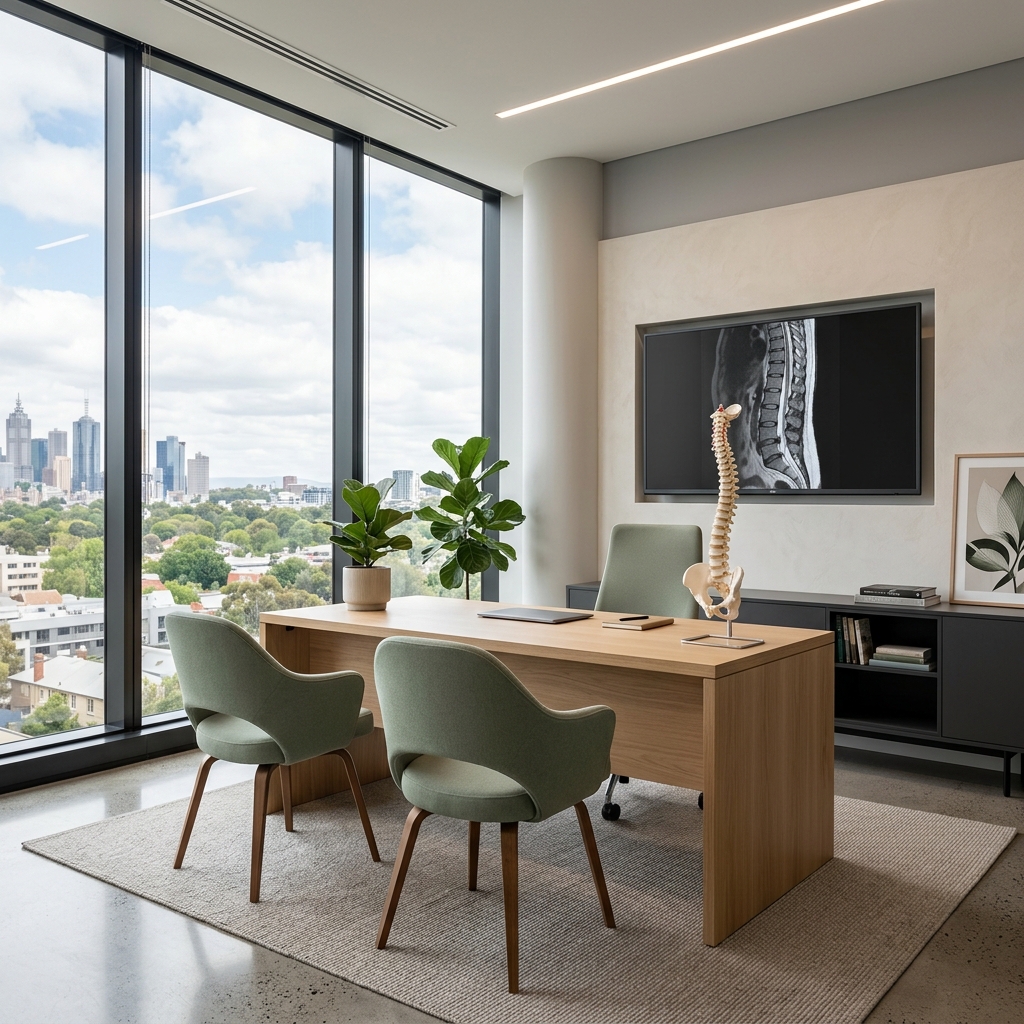 Rehabilitation pathways and safe movement restoration.
 Frequently asked questions
Is spondylosis the same as arthritis of the spine?
Yes, spondylosis is essentially osteoarthritis of the spine. It encompasses the various degenerative changes that occur naturally as the spine ages, including disc degeneration, bone spur formation, and facet joint wear.