Spinal Fracture
Spinal fractures range from minor vertebral compression fractures (common in osteoporosis) to severe trauma-related fractures that may threaten spinal cord function. Treatment depends on the type, location, and stability of the fracture.

Symptoms
- Sudden onset of back pain, often after a fall, lifting, or minor trauma.
- Pain that worsens with standing, walking, or movement.
- Loss of height or increased kyphosis (forward curvature) with compression fractures.
- In traumatic fractures: severe pain, inability to move, and possible neurological symptoms.
- Neurological symptoms including leg weakness, numbness, or bladder changes if the spinal cord or nerves are compressed.
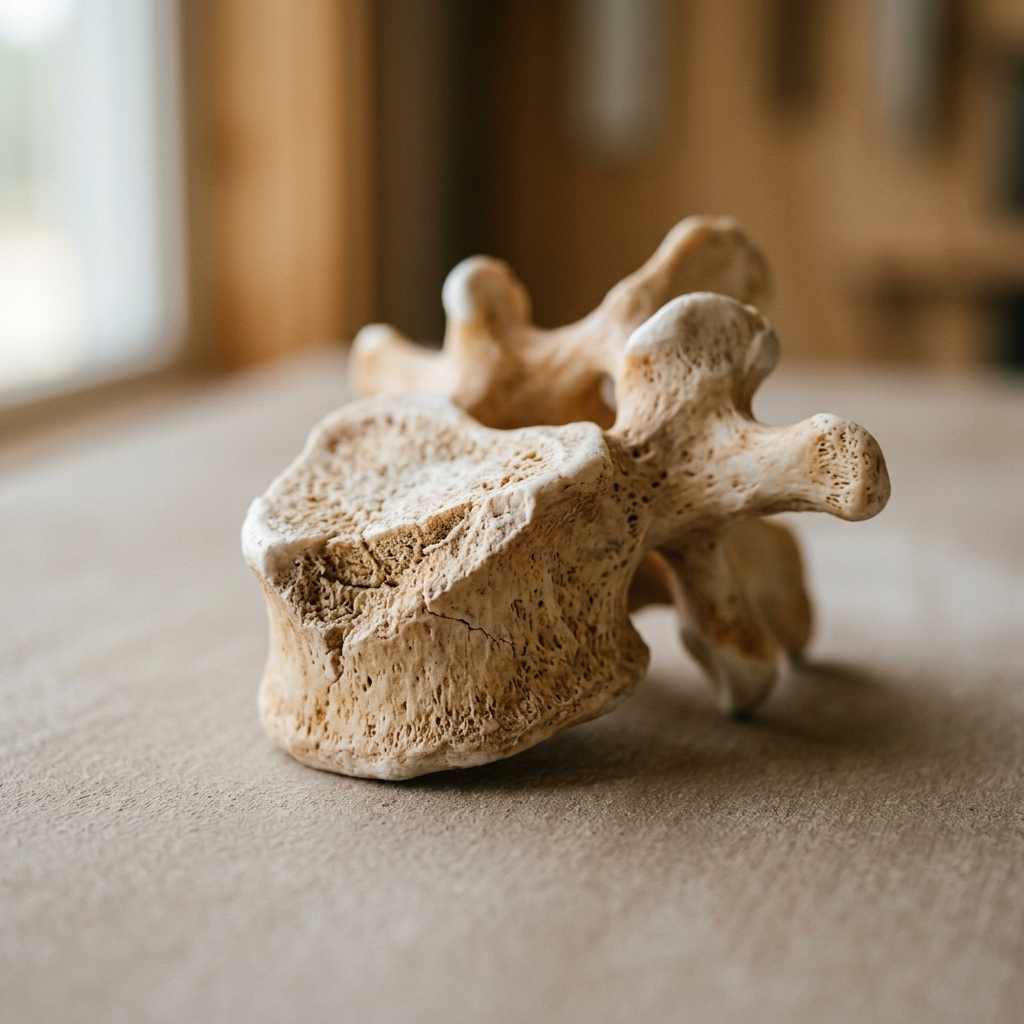 Clinical anatomical model showing affected spinal structures (no text).
 Causes and risk factors
- Osteoporosis (the most common cause of vertebral compression fractures).
- Trauma from falls, motor vehicle accidents, or sports injuries.
- Pathological fractures from metastatic cancer or primary bone tumours.
- Corticosteroid use weakening bone density.
- High-energy trauma in younger patients.
How diagnosis is made
- X-rays to identify the fracture location and type.
- CT scan for detailed assessment of fracture pattern and stability.
- MRI to assess spinal cord and nerve compression, and to differentiate acute from chronic fractures.
- Bone density scan (DEXA) to assess osteoporosis.
 Typical diagnostic grey-scale imaging scan (MRI/CT).
 Non-surgical treatment options
- Pain management with appropriate medications.
- Bracing for supportive immobilisation in stable fractures.
- Gradual mobilisation with physiotherapy guidance.
- Osteoporosis treatment to prevent further fractures.
- Most stable compression fractures heal within 8 to 12 weeks.
When surgery may be considered
Surgery may be required for unstable fractures, fractures with neurological compromise, or painful compression fractures that do not respond to conservative management. Options include kyphoplasty, vertebroplasty, or instrumented stabilisation and fusion.
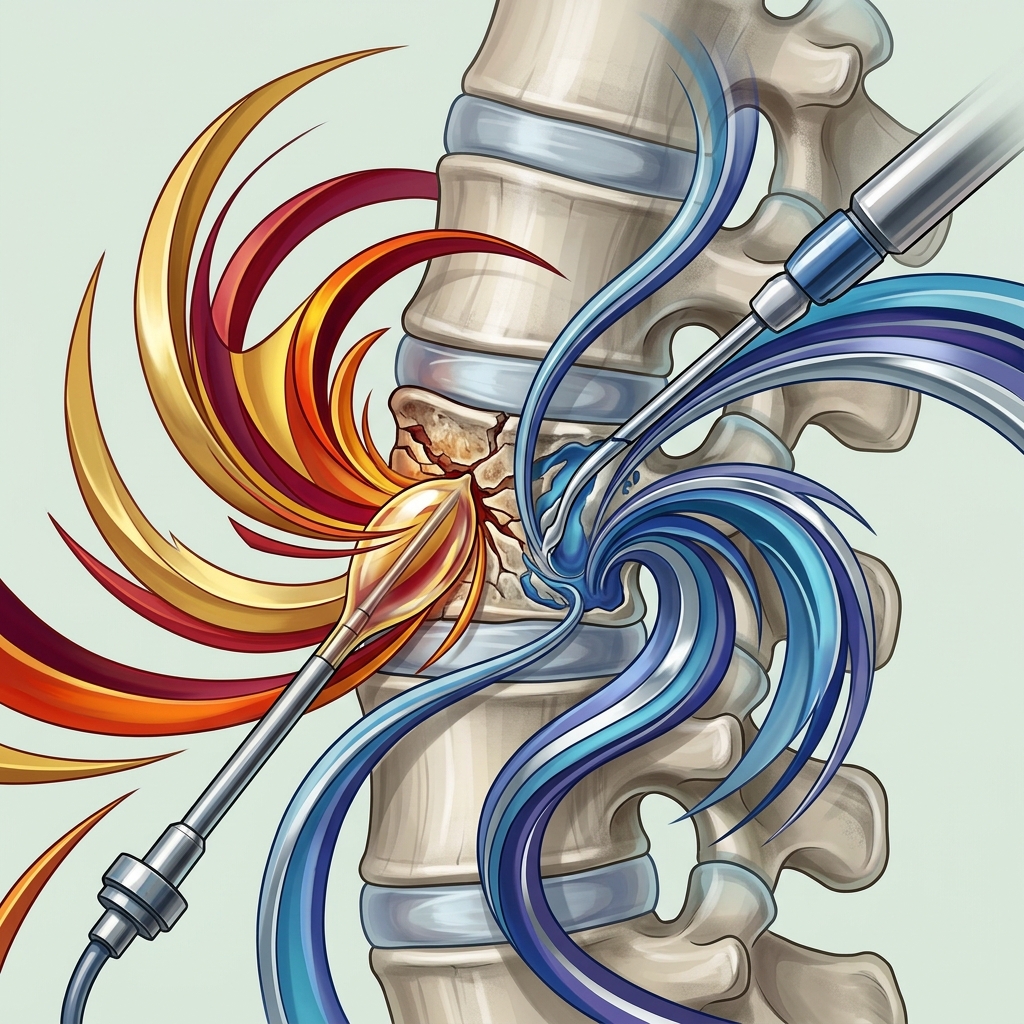 Advanced surgical technology and precision instrumentation.
 Expected outcomes
Stable compression fractures generally heal well with conservative treatment. Surgical outcomes for unstable fractures depend on the severity of injury and any associated neurological deficit. Kyphoplasty for painful osteoporotic fractures provides rapid pain relief in most patients.
 Rehabilitation pathways and safe movement restoration.
 Frequently asked questions
How long does a spinal fracture take to heal?
Most stable vertebral compression fractures heal within 8 to 12 weeks. The timeline varies depending on the fracture type, location, and the patient's overall health and bone quality.