Lumbar Disc Replacement
Lumbar Disc Replacement (LDR) is a motion-preserving surgical alternative to spinal fusion for patients suffering from severe chronic low back pain caused by degenerative disc disease. By replacing the worn-out lumbar disc with a movable artificial joint through an approach in the abdomen, LDR restores the natural disc height, relieves back pain, and preserves the spine’s natural flexibility.
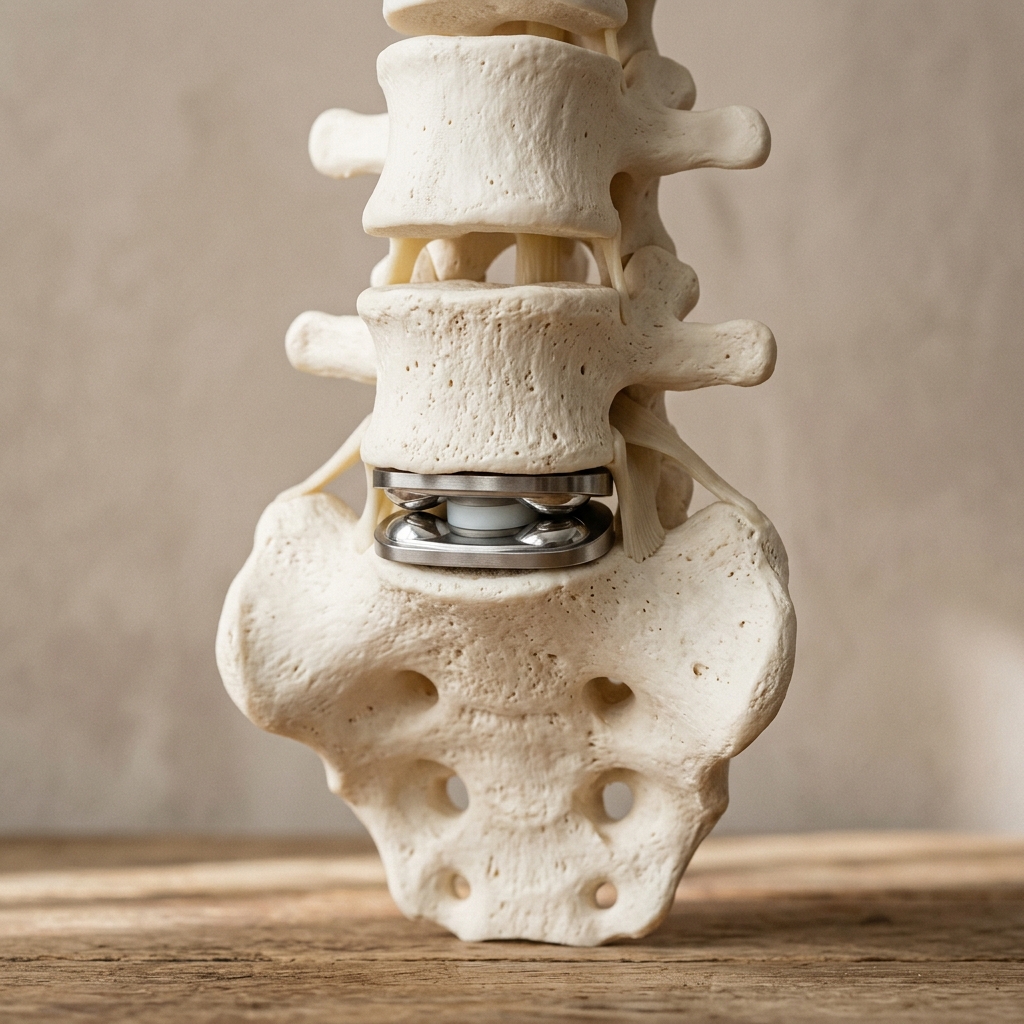
When this procedure may be recommended
- Severe chronic lower back pain arising from single-level degenerative disc disease (confirmed by discography or MRI).
- Failure of conservative treatment (medication, physical therapy, weight loss) for at least 6 months.
- No significant facet joint arthritis or spinal instability (spondylolisthesis).
- Patient has good bone quality and no prior major abdominal surgeries.
Who may be a candidate
Candidates are typically younger or middle-aged active adults with isolated disc degeneration causing back pain, without widespread facet arthropathy, spinal stenosis, or osteoporosis.
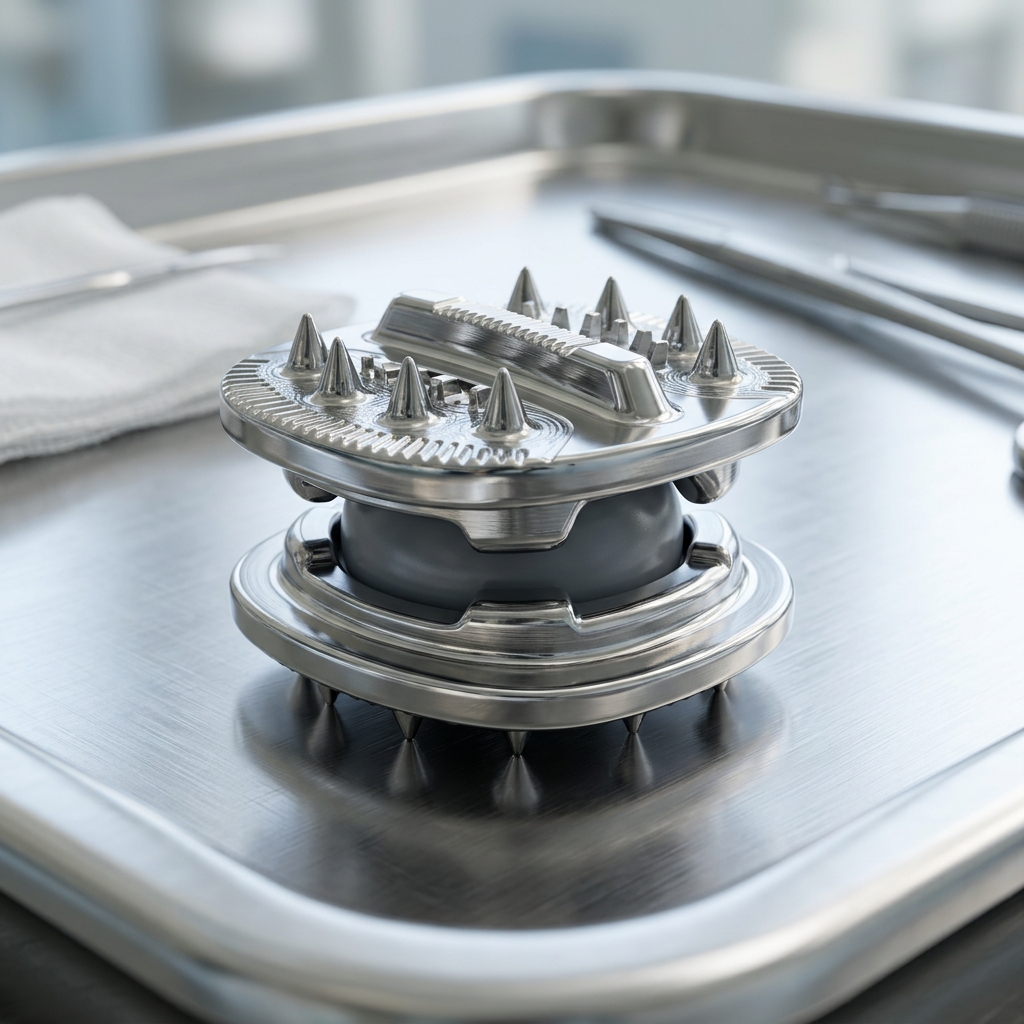 Advanced medical implant technology (no text).
 Alternatives to surgery
- Lumbar Spinal Fusion (ALIF/TLIF).
- Intensive multidisciplinary spine rehabilitation and pain management.
- Facet joint blocks or radiofrequency neurotomy.
What to expect
- Approach: Under the guidance of a vascular access surgeon, a small incision is made in the lower abdomen to access the spine from the front, avoiding the spinal nerves.
- Disc Clearance: The degenerated disc is completely excised, clearing the space down to the bone.
- Implant Sizing: Precision trials ensure the device matches the natural lordosis and height of the spine.
- Insertion: The metal-on-polymer artificial disc is press-fit into the space, secured by bone-ingrowth surfaces.
- Closure: The abdominal layers are closed with cosmetic sutures.
Technology and imaging
Uses FDA-approved cobalt-chrome and ultra-high-molecular-weight polyethylene implants (like the ProDisc-L), assisted by intraoperative fluoroscopy.
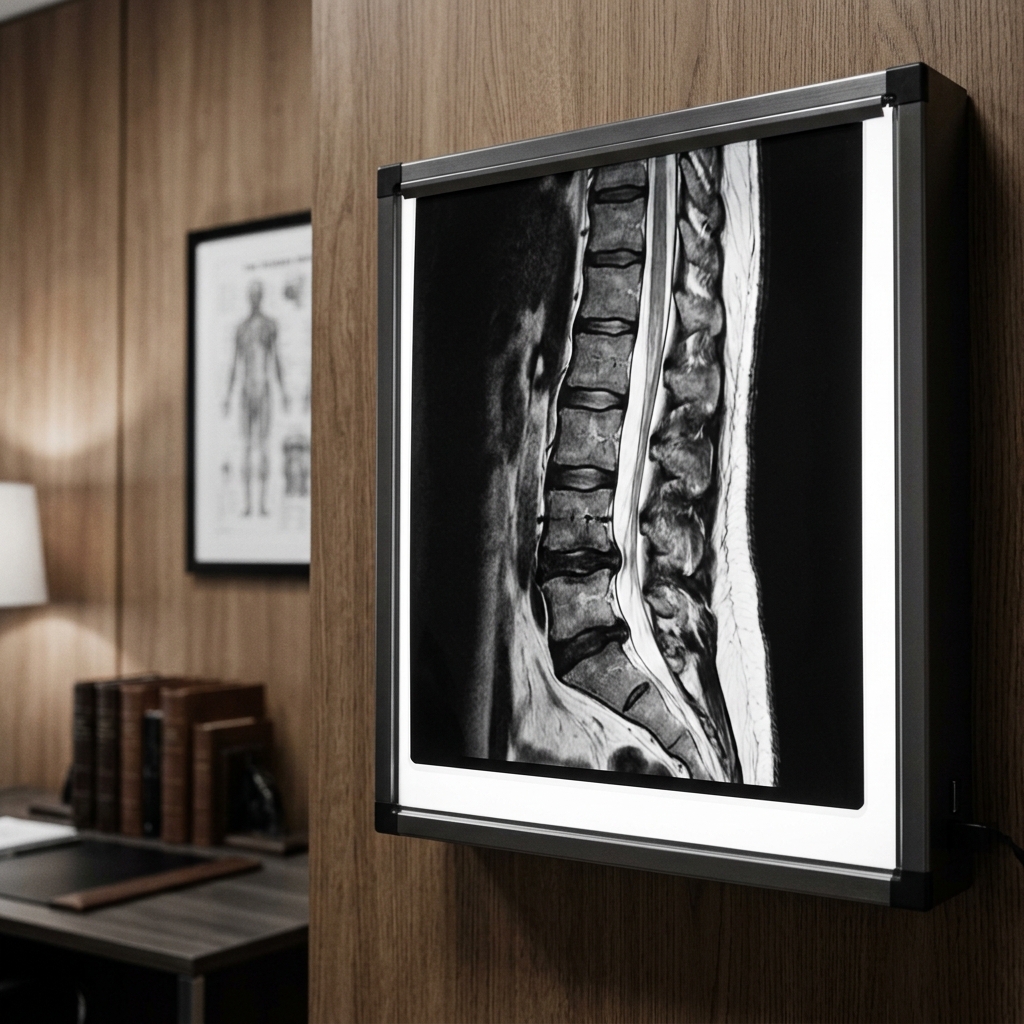 High-precision diagnostic imaging visualization.
 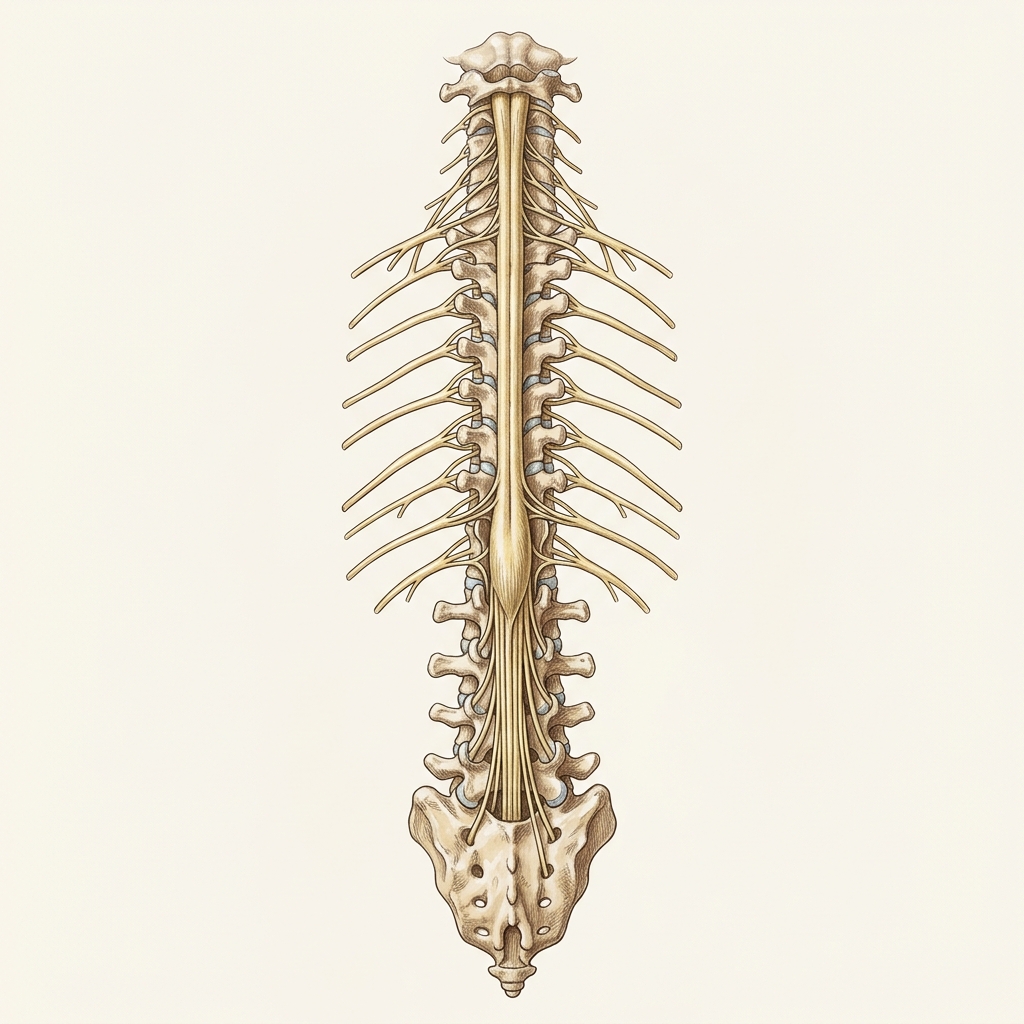 Clinical Zeiss/Leica operating microscope setup.
 Hospital stay
Typically 2 to 3 nights, allowing recovery of bowel function and progressive mobilization.
Recovery milestones
- Day 1-2: Progressive walking with support, transition to oral pain relief, and active mobilization.
- Weeks 1-4: Light walking and daily tasks. Avoid bending, heavy lifting, or prolonged sitting.
- Weeks 6-12: Core stabilization exercises under physical therapy guidance. Return to desk work.
- Months 3+: Gradual return to full sports and active physical lifestyles.
 Post-operative mobilization and recovery milestones.
 Risks and complications
- Retrograde ejaculation in male patients (1% to 2% risk, usually transient).
- Vascular injury to major abdominal blood vessels (under 1-2% risk, managed by access surgeon).
- Implant wear, migration, or subsidence.
- Persistent back pain or hardware complications.
Frequently asked questions
Why is LDR performed from the front rather than the back?
Accessing the spine from the front (anterior approach) allows the surgeon to remove the entire disc and insert a large, stable artificial disc without disturbing the major nerves in the spinal canal.
How does disc replacement compare to spinal fusion?
Disc replacement preserves spinal motion and reduces the risk of adjacent disc wear (adjacent segment disease), whereas fusion makes that segment rigid, placing more stress on neighboring levels.