Revision Spine Surgery
Revision spine surgery is a complex procedure performed to correct issues arising from previous spinal operations. This may include address "failed back surgery syndrome," pseudoarthrosis (non-union of a previous fusion), adjacent segment disease, hardware failure, recurrent disc herniations, or persistent nerve compression. Due to scar tissue and altered anatomy, revision surgery requires advanced surgical planning, expertise, and precision.
When this procedure may be recommended
- Severe persistent or recurrent pain after previous spinal surgery.
- Adjacent Segment Disease (ASD) where the disc above or below a fusion has worn out.
- Pseudoarthrosis (failure of bone fusion) causing chronic instability and mechanical pain.
- Hardware complications, such as loose, broken, or migrated screws or cages.
- Progressive neurological deficit or late-onset spinal deformity.
Who may be a candidate
Candidates are patients with identifiable structural or mechanical causes of ongoing symptoms following previous surgery. Extensive diagnostic workups, including CT scans, MRI, and sometimes diagnostic injections, are required to pinpoint the exact source of pain before revision is offered.
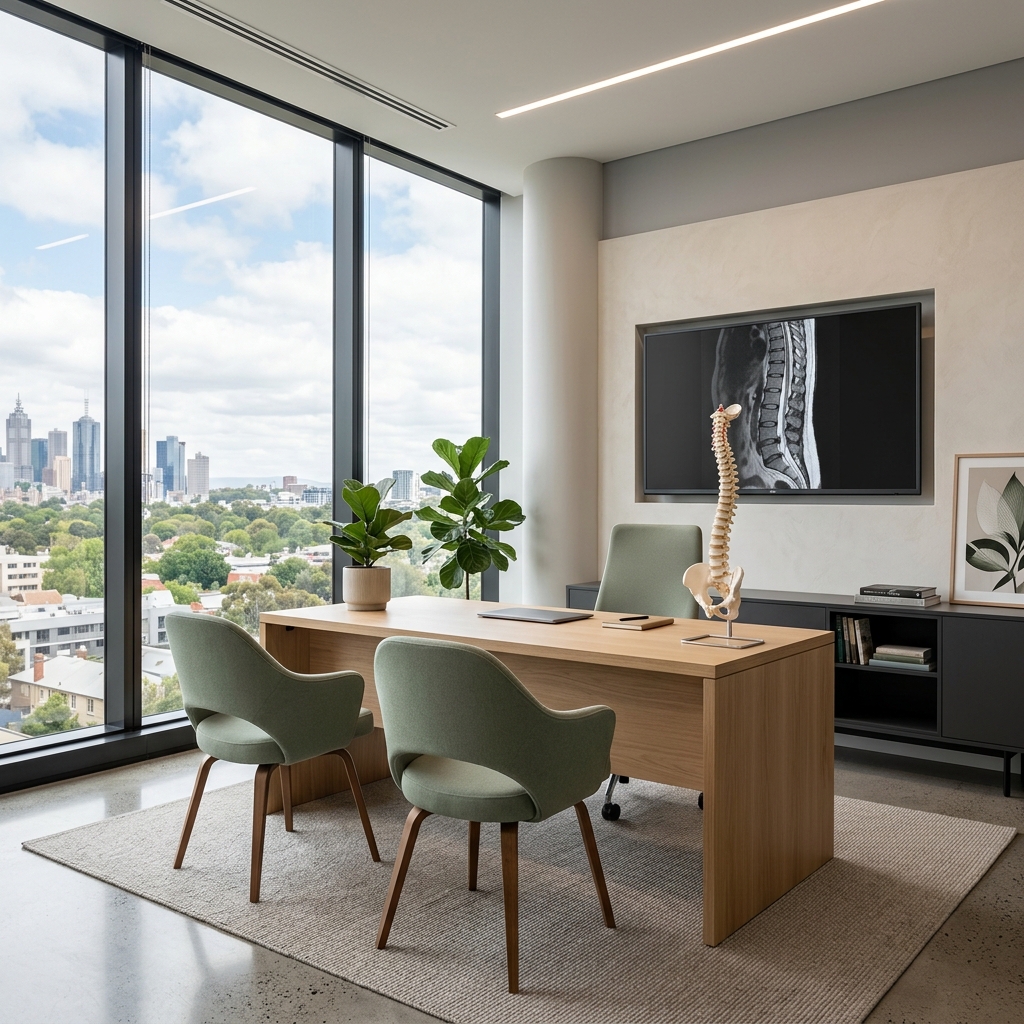 Advanced medical implant technology (no text).
 Alternatives to surgery
- Intensive conservative management, spinal cord stimulation (SCS), and specialized pain clinic referral.
- Targeted physical rehabilitation.
What to expect
- Access: The surgeon carefully makes the incision, often through the prior scar, and meticulously dissects through scar tissue to expose the spinal structures.
- Decompression: Any recurrent herniated disc, bone spurs, or scar tissue compressing the nerves is cleared under microscopic view.
- Hardware Management: Loose or broken hardware from prior surgeries is carefully removed.
- Reconstruction & Stabilisation: The spine is realigned, new hardware is secured, and extensive bone grafting (often with biological enhancers) is placed to ensure stable fusion.
- Closure: A drain is often placed, and the multi-layer wound is closed with meticulous technique.
Technology and imaging
Employs intraoperative CT navigation, advanced surgical microscopes, and high-frequency intraoperative neuromonitoring to continuously track nerve pathway safety.
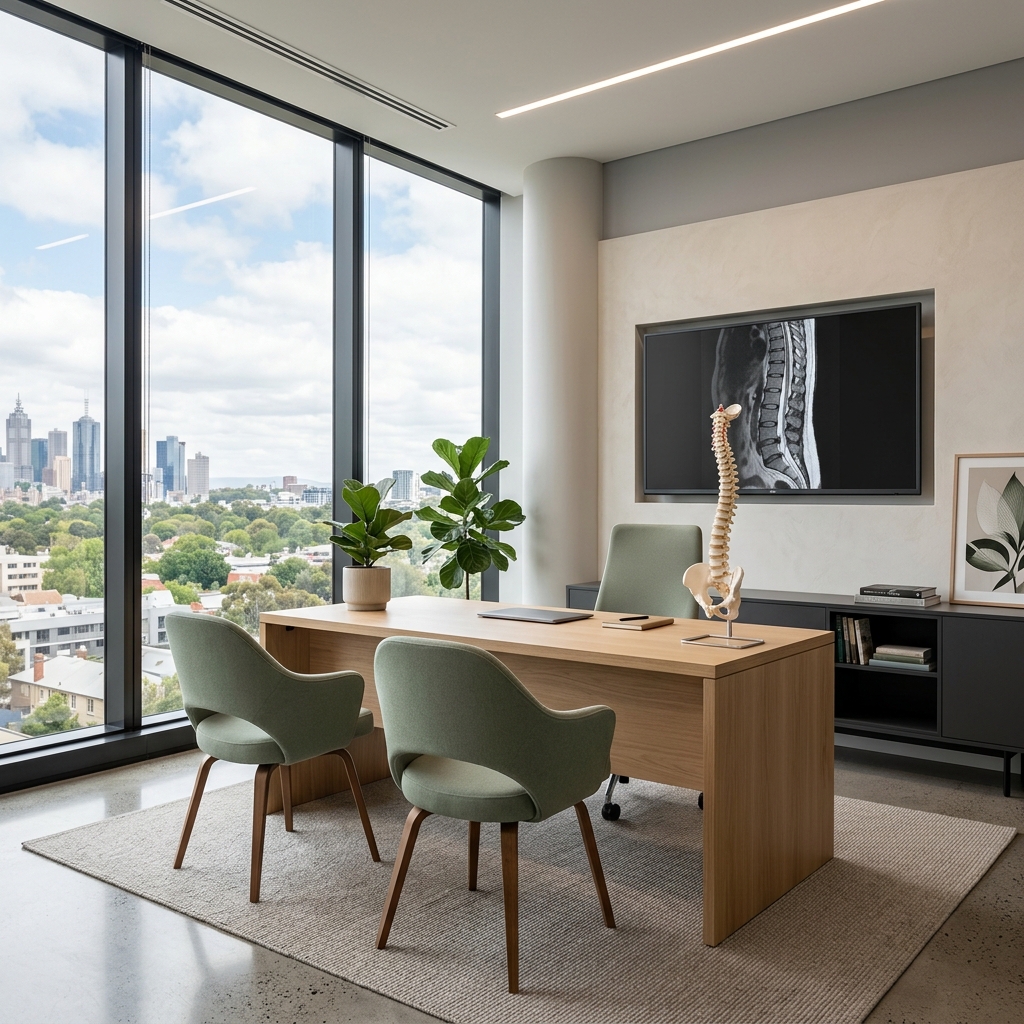 High-precision diagnostic imaging visualization.
 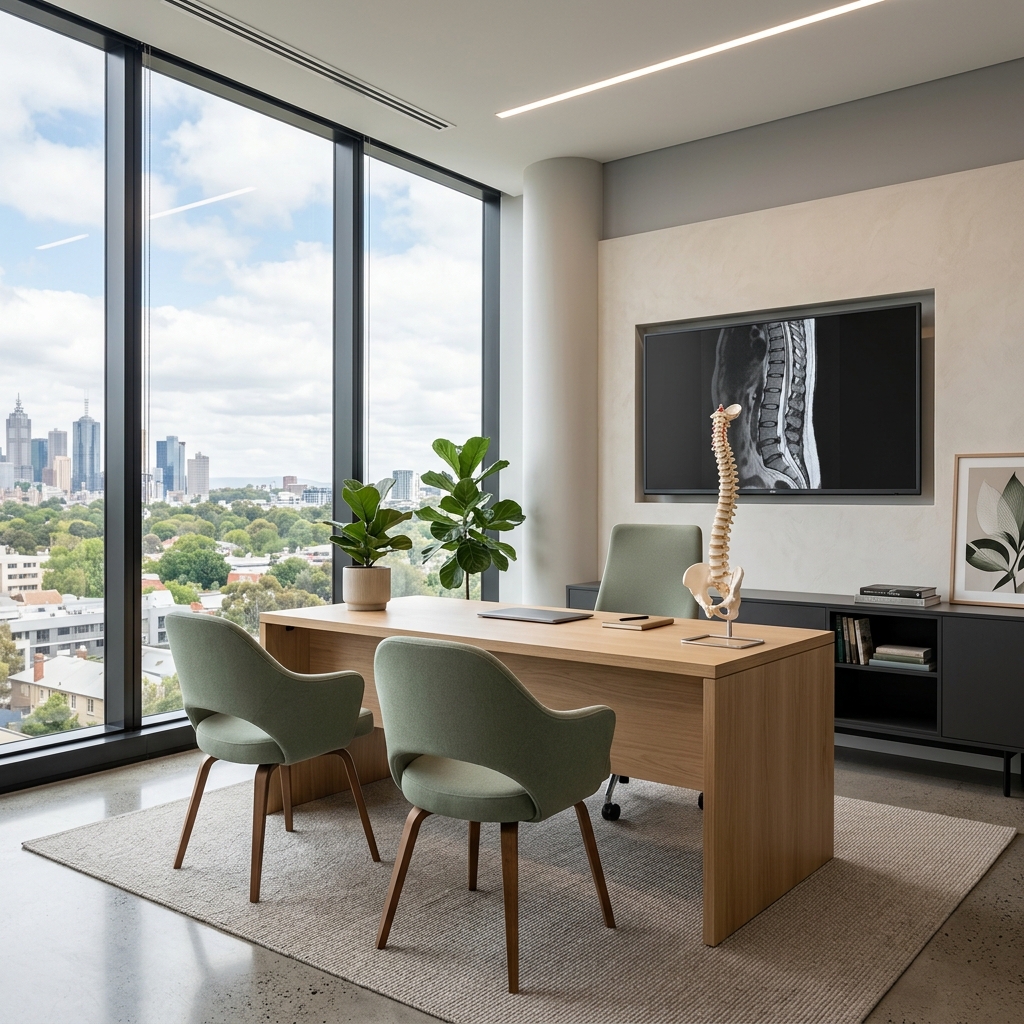 Clinical Zeiss/Leica operating microscope setup.
 Hospital stay
Typically 3 to 5 nights, given the complexity of revision surgery.
Recovery milestones
- Immediate: Patient mobilises early under guidance. Drains are removed within 24-48 hours.
- Weeks 1-6: Meticulous wound care, gradual increase in walking, strict avoidance of bending/lifting/twisting.
- Weeks 6-12: Introduction of gentle physical therapy. Regular follow-up X-rays to assess healing.
- Months 3-12: Long-term bone healing, gradual return to standard activity.
Post-operative mobilization and recovery milestones. Risks and complications
- Increased risk of dural tear/CSF leak (8% to 12% due to scar tissue adherence).
- Increased risk of infection or wound healing delay (2% to 4%).
- Failure of revision fusion (non-union), particularly in multi-level cases.
- Persistent or worsened pain.
Frequently asked questions
Why is revision spine surgery more complex?
Revision surgery is more difficult because the normal surgical landmarks have changed, and scar tissue surrounds the delicate nerves, making dissection and nerve decompression significantly more challenging.
Can I have revision surgery if my first fusion did not heal?
Yes. If a previous fusion has failed to join (pseudoarthrosis), revision surgery can remove the old hardware, prepare the bone bed again, and use stronger implants and bone grafts to achieve a successful fusion.